
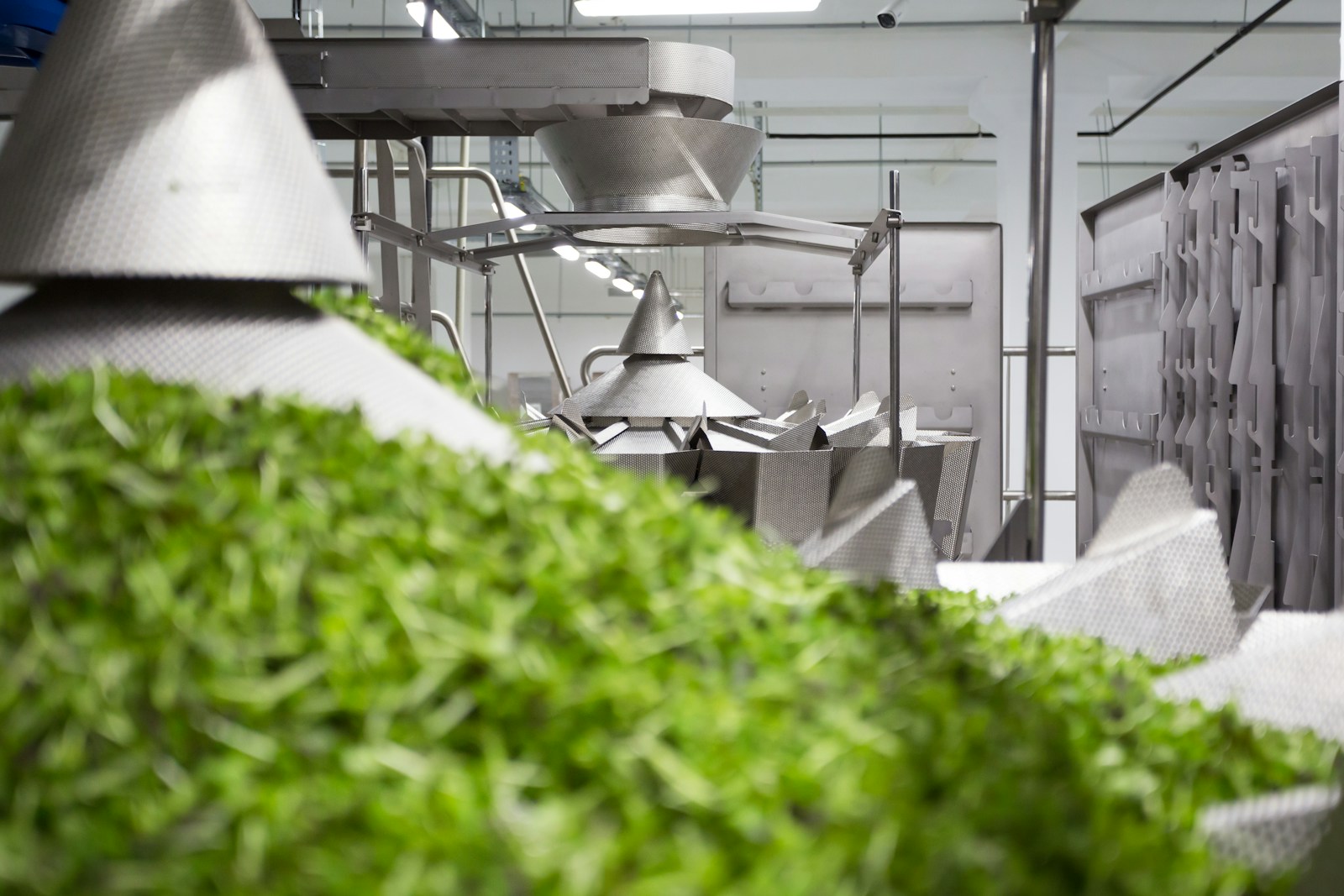
Maintaining Equipment Integrity in Food Processing Industries
The food processing sector operates under some of the most stringent regulatory requirements of any industry. Every component, seal, and surface that touches food products must meet exacting standards for hygiene, durability, and performance. Maintaining equipment integrity in food processing industries isn’t simply about preventing mechanical failures—it’s about protecting consumer health, ensuring regulatory compliance, and safeguarding brand reputation. A single compromised seal or degraded component can lead to contamination incidents that cost companies millions in recalls and irreparable damage to consumer trust.
Understanding the stakes of equipment maintenance
Food processing equipment faces a unique combination of challenges that accelerate wear and degradation. Equipment components endure repeated exposure to cleaning chemicals, temperature extremes ranging from freezing to sterilization levels, and constant contact with acidic or alkaline food substances. The average food processing facility conducts clean-in-place procedures at least once per shift, exposing sealing materials and surfaces to caustic solutions that can break down inferior materials within months. Beyond the physical demands, regulatory bodies like the FDA and EFSA mandate specific materials and maintenance protocols that go far beyond standard industrial requirements. Companies must document every maintenance activity, track component lifecycles, and demonstrate that no equipment degradation poses a contamination risk.

Critical components requiring constant vigilance
Sealing systems represent the frontline defense against contamination in food processing equipment. When seals fail, product can leak into areas where bacteria colonize, or conversely, lubricants and foreign materials can migrate into food contact zones. Traditional rubber gaskets often struggle with the aggressive cleaning regimens required in food facilities, breaking down after just six to twelve months of service. This degradation manifests as hardening, cracking, or loss of compression, creating microscopic pathways for contamination. Using high-quality gasket sheets designed specifically for food applications extends service life significantly, with some FDA-compliant materials lasting three to five years under the same conditions that destroy standard materials within a year. Selection criteria must include not only chemical resistance but also temperature stability, compression set resistance, and the ability to maintain seal integrity through thousands of thermal cycles.
Advanced sealing solutions for demanding applications
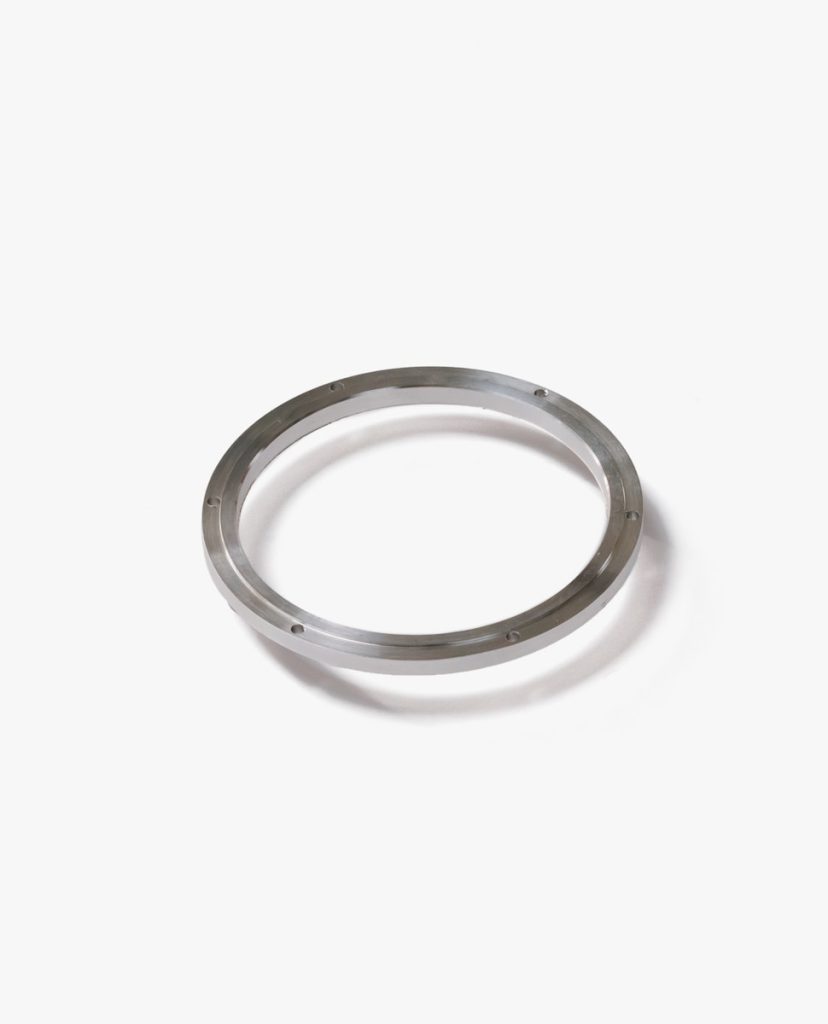
High-pressure processing equipment, heat exchangers, and vessel closures require sealing solutions that exceed the capabilities of basic flat gasket materials. Kammprofile gaskets have emerged as the preferred solution for these critical applications, combining a serrated metal core with soft sealing layers that conform to flange imperfections while maintaining structural integrity under extreme conditions. These engineered seals handle pressures exceeding 150 bar while maintaining compliance with food safety standards, making them ideal for pasteurizers, sterilizers, and high-pressure homogenizers. The metal core prevents gasket blowout even when subjected to pressure surges or thermal shock, while the facing materials provide the conformability needed for effective sealing. Installation of kammprofile gaskets requires attention to proper bolt torque sequences and flange surface preparation, but the investment in correct installation pays dividends through extended service intervals and elimination of unplanned shutdowns.
Developing a proactive maintenance culture
Reactive maintenance in food processing is not merely inefficient—it’s dangerous. Equipment failures that occur during production runs risk product contamination and require extensive cleaning validation before operations can resume. A comprehensive preventive maintenance program should include daily visual inspections, weekly operational checks, and monthly detailed examinations of all critical sealing points and food contact surfaces. Documentation protocols must capture not just what was inspected but also specific measurements, observations about wear patterns, and any deviations from baseline conditions. Many facilities now employ infrared thermography to detect seal leakage and hot spots that indicate developing problems long before visible symptoms appear. Ultrasonic testing can identify trapped air or incomplete seals in critical applications, while dye penetrant testing reveals microscopic cracks in metal components that could harbor bacteria.
Material selection and regulatory compliance
Not all food-grade materials perform equally across different processing environments. Dairy facilities require materials resistant to milk stone buildup and compatible with alkaline cleaning agents, while meat processing plants need materials that withstand both acidic marinades and high-temperature steam cleaning. Gasket sheets used in beverage applications must resist sugars and organic acids without imparting taste or odor to products, requiring specialized elastomers or PTFE-based materials. Every material must carry appropriate certifications—FDA CFR Title 21 compliance for US operations, EU Regulation 1935/2004 for European facilities, or equivalent standards for other markets. Material suppliers should provide full traceability documentation, including certificates of compliance and composition statements that identify every ingredient. This documentation becomes critical during audits and recall investigations, allowing companies to demonstrate due diligence in material selection and equipment maintenance.
Training personnel for equipment integrity
The most sophisticated sealing systems and maintenance protocols fail without properly trained personnel. Operators must understand why specific torque values matter, how to recognize early signs of seal degradation, and when to escalate concerns to maintenance teams. Cross-contamination risks associated with improper disassembly procedures cause more food safety incidents than most managers realize. Training programs should include hands-on practice with actual equipment components, not just classroom theory. Maintenance technicians need specific instruction on proper gasket installation techniques, including surface preparation, lubricant selection, and bolt tightening sequences. Many facilities have found that video documentation of correct procedures reduces errors and provides valuable reference material when questions arise during actual maintenance activities.
Monitoring and continuous improvement
Maintaining equipment integrity in food processing industries requires systematic data collection and analysis. Tracking mean time between failures for specific components reveals patterns that inform purchasing decisions and maintenance schedules. A heat exchanger that requires gasket replacement every six months signals either material inadequacy or operational conditions exceeding design parameters. Root cause analysis of recurring failures often uncovers issues beyond the component itself—misaligned flanges, inadequate bolt loading, or chemical exposures beyond material capabilities. Modern computerized maintenance management systems enable trend analysis that was impossible with paper-based records, identifying subtle patterns across multiple production lines or facilities. This data-driven approach transforms maintenance from a cost center into a value generator, reducing downtime, extending equipment life, and minimizing contamination risks.
The complexity of maintaining equipment integrity in food processing industries continues to increase as consumer expectations rise and regulatory scrutiny intensifies. Success requires a holistic approach that integrates appropriate materials, rigorous maintenance protocols, comprehensive training, and data-driven decision making. Companies that view equipment maintenance as a strategic advantage rather than a necessary expense consistently outperform competitors in product quality, operational efficiency, and regulatory compliance. The investment in superior sealing materials, advanced maintenance techniques, and personnel development delivers returns measured not just in reduced downtime but in the sustained consumer confidence that drives long-term profitability.
previous post
