
Creating Efficient Heat Transfer Solutions in Modern Manufacturing
Creating efficient heat transfer solutions in modern manufacturing has become a critical priority as industries push toward higher production speeds, tighter energy budgets, and stricter environmental standards. The ability to move thermal energy precisely where it needs to go determines not only product quality but also operational costs and equipment longevity. Modern manufacturing facilities generate substantial heat through chemical reactions, mechanical friction, electrical resistance, and compression processes. Without proper thermal management systems, this heat accumulation leads to equipment failure, product defects, reduced efficiency, and safety hazards. The challenge facing today’s engineers involves designing systems that maximize heat transfer while minimizing energy consumption, maintenance requirements, and downtime. This requires careful selection of heat exchange equipment, proper sealing technologies, and integration with existing production workflows.
Industrial heat exchangers operate under demanding conditions that would quickly destroy poorly designed components. Temperature fluctuations between ambient and 400 degrees Celsius occur routinely in chemical processing plants. Pressure variations from vacuum conditions to 100 bar challenge every connection point in the system. Corrosive media including acids, caustics, and chlorinated hydrocarbons attack metal surfaces and sealing materials continuously. These harsh environments require robust engineering solutions that maintain integrity across thousands of thermal cycles. The sealing points between heat exchanger plates or between flanges represent particular vulnerability zones where leaks commonly develop. A single failed seal can shut down an entire production line, resulting in losses exceeding tens of thousands of dollars per hour. Prevention of such failures begins with understanding the specific thermal and chemical stresses each component will face during operation.
Selecting the right sealing technology for heat exchanger gasket applications
The performance of any heat transfer system depends heavily on the quality and appropriateness of its sealing components. When engineers specify a heat exchanger gasket, they must evaluate multiple factors including temperature range, chemical compatibility, mechanical stress, and maintenance accessibility. Traditional compressed fiber gaskets offer economy and ease of installation but deteriorate rapidly under thermal cycling above 250 degrees Celsius. Elastomeric seals provide excellent sealing force at lower temperatures but lose resilience when exposed to many organic solvents. Metal gaskets withstand extreme temperatures but require precise flange machining and high bolt loads to achieve reliable sealing. The selection process requires matching material properties to the specific application demands rather than choosing based on initial cost alone. A gasket failure that causes unplanned downtime typically costs fifty to one hundred times more than the price difference between an adequate seal and an optimal one.
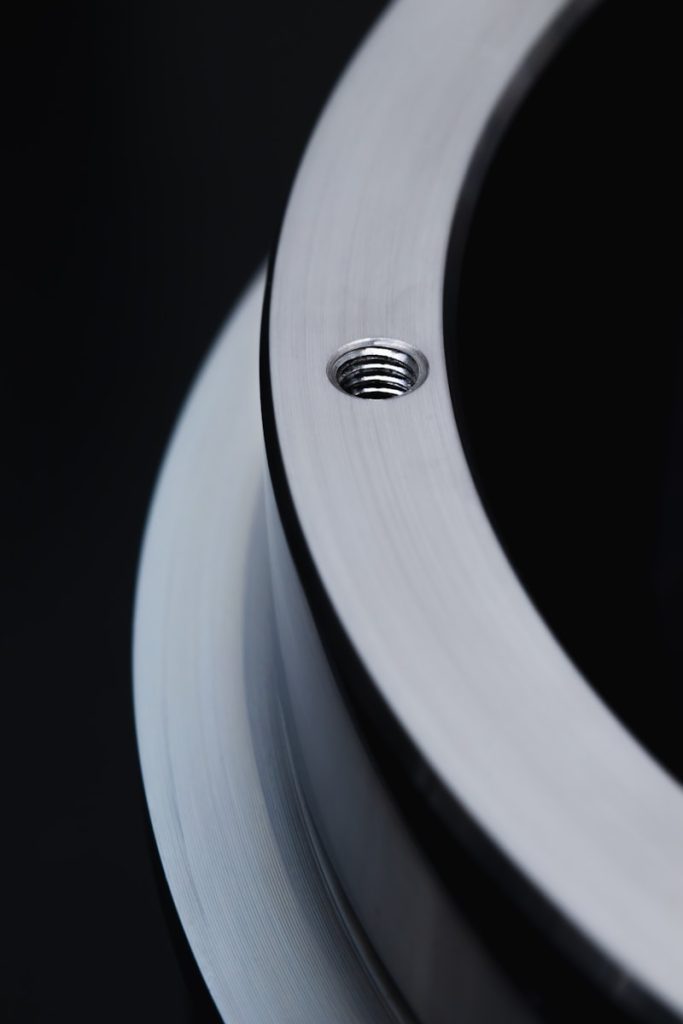
Kammprofile gaskets represent an advanced sealing solution that addresses many limitations of conventional designs. These gaskets feature a serrated metal core with soft sealing layers bonded to both faces, combining the resilience of graphite or PTFE with the structural strength of stainless steel. The corrugated profile concentrates sealing stress along narrow contact lines, achieving reliable sealing even when flange surfaces show minor imperfections or warping. Temperature resistance extends from cryogenic conditions to 600 degrees Celsius depending on the core and facing materials selected. Chemical resistance matches that of the facing material, with expanded graphite versions handling nearly all process media except strong oxidizers. Installation requires lower bolt torque compared to solid metal gaskets, reducing the risk of flange distortion while still maintaining high sealing integrity. These characteristics make kammprofile gaskets particularly valuable in applications where thermal cycling causes conventional gaskets to fail prematurely.
Optimizing heat exchanger design for maximum efficiency
The geometry of heat transfer surfaces directly influences thermal performance and energy consumption. Plate heat exchangers achieve thermal effectiveness exceeding 90 percent through countercurrent flow patterns and high surface area-to-volume ratios. Shell and tube designs offer greater pressure capacity and easier maintenance access, making them preferable for fouling services despite lower thermal efficiency. Compact brazed exchangers maximize heat transfer in limited installation spaces but require complete replacement when internal fouling occurs. Each configuration presents different trade-offs between initial cost, operating efficiency, maintenance requirements, and service life. What works optimally in a clean water cooling application may fail catastrophically when handling slurries or polymerizing fluids. Design decisions must account for the actual process conditions rather than idealized laboratory scenarios.
Flow distribution across heat transfer surfaces determines whether equipment achieves its theoretical performance or falls short. Uneven flow creates hot spots that reduce average heat transfer rates and accelerate corrosion in localized areas. Proper inlet and outlet nozzle sizing ensures uniform velocity distribution across the entire heat exchange area. Baffles or distribution plates may be necessary when dealing with low flow rates or high viscosity fluids. Computational fluid dynamics modeling helps identify potential dead zones or channeling paths before fabrication begins. These upfront engineering efforts typically add five to ten percent to design costs but can improve operational efficiency by twenty to thirty percent over the equipment’s service life. The return on investment from proper thermal design typically occurs within the first year of operation through reduced energy consumption and improved process yields.
Maintenance strategies that preserve thermal performance
Even the best-designed heat transfer systems degrade over time without proper maintenance protocols. Fouling from scale deposits, biological growth, corrosion products, or process residues creates insulating layers that reduce heat transfer coefficients by thirty to seventy percent. Regular cleaning intervals based on performance monitoring rather than arbitrary time schedules optimize the balance between cleaning costs and efficiency losses. Online monitoring of pressure drop and temperature approach provides early warning of fouling development before severe performance degradation occurs. Chemical cleaning using targeted solvents removes deposits without damaging heat transfer surfaces or gasket materials. Mechanical cleaning with hydroblasting or brushes becomes necessary when chemical methods prove insufficient, though this approach requires system disassembly and replacement of the heat exchanger gasket and other sealing components.
Inspection during planned maintenance outages reveals wear patterns and incipient failures before they cause emergency shutdowns. Flange faces should be examined for corrosion, erosion, or mechanical damage that could compromise sealing performance. Upgrading to high-performance sealing solutions, such as REC Kammprofile gaskets, offers superior tightness and blow-out resistance under severe thermal cycling and pressure fluctuations. Bolt elongation measurements identify fasteners approaching their elastic limit that require replacement. Thickness measurements on pressure-bearing components track corrosion rates and predict remaining service life. When reassembling heat exchangers after maintenance, torque sequences following manufacturer specifications ensure uniform compression across all sealing surfaces. Cross-tightening patterns and multiple torque passes in progressive increments prevent gasket damage and achieve consistent sealing force. Documentation of inspection findings, replacement parts, and torque values creates historical records that support predictive maintenance strategies and continuous improvement initiatives.
Integration with broader energy management systems
Heat recovery opportunities exist throughout manufacturing facilities where waste heat from one process could supply thermal energy to another. Creating efficient heat transfer solutions in modern manufacturing requires viewing thermal systems holistically rather than as isolated equipment pieces. Process streams leaving reactors, dryers, or compressors often contain substantial sensible heat that conventional designs simply reject to cooling water or ambient air. Installing heat recovery exchangers to preheat feed streams, generate low-pressure steam, or provide space heating can reduce facility energy consumption by fifteen to forty percent. The economic viability of heat recovery projects depends on temperature differentials, flow rates, proximity between heat sources and sinks, and the cost of alternative energy sources. Projects with payback periods under three years typically justify investment even in industries with tight capital budgets.
Integration challenges include matching intermittent heat sources with continuous heat demands, accommodating process upsets that temporarily interrupt heat recovery, and designing bypass systems that maintain process control during recovery equipment maintenance. Control systems must balance multiple objectives including maximizing heat recovery, maintaining process temperatures within specifications, and preventing thermal shock to equipment. Smart control algorithms using model predictive control can optimize these competing demands far better than simple cascade loops. Monitoring systems that track recovered energy quantities demonstrate the ongoing value of heat recovery investments and justify expansion to additional applications. How much energy does your facility currently reject that could be captured and reused productively? The answer to this question often reveals opportunities for significant cost reduction and environmental improvement.
Creating efficient heat transfer solutions in modern manufacturing represents an ongoing challenge that requires attention to equipment selection, proper sealing technology, intelligent design, diligent maintenance, and system integration. Success in this endeavor delivers measurable benefits through reduced energy costs, improved process reliability, extended equipment life, and enhanced product quality. The investment in proper thermal management technology and engineering expertise returns value throughout the operational life of manufacturing facilities.
