
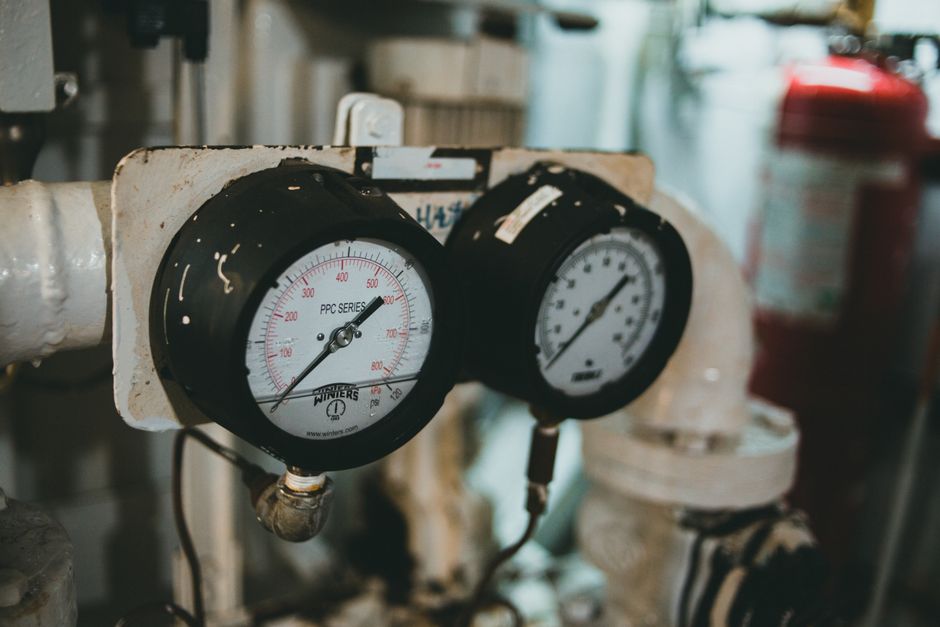
Preventing Leaks in High-Pressure Applications
Preventing leaks in high-pressure applications remains one of the most challenging aspects of industrial system design and maintenance. When pressures exceed several hundred PSI, even minor imperfections in sealing surfaces can lead to catastrophic failures, costly downtime, and serious safety hazards. The consequences of inadequate sealing extend beyond immediate operational disruptions, potentially causing environmental contamination, equipment damage, and workplace injuries. Industries ranging from petrochemical processing to power generation depend on reliable sealing solutions that can withstand extreme pressures while maintaining long-term integrity. Understanding the fundamental principles of high-pressure sealing technology provides the foundation for selecting appropriate materials and implementing effective maintenance strategies.
The physics of high-pressure environments creates unique challenges that don’t exist in standard applications. As internal pressure increases, the forces attempting to separate flanged connections multiply exponentially. A system operating at 1500 PSI experiences roughly fifteen times the separating force compared to one at 100 PSI. This enormous stress concentrates at the gasket interface, where microscopic surface irregularities become pathways for fluid escape. Temperature fluctuations compound these challenges by causing thermal expansion and contraction cycles that can compromise seal integrity over time. Engineers must account for bolt creep, flange deformation, and material degradation when designing systems expected to operate continuously under demanding conditions.
Selecting appropriate gasket materials for extreme conditions
Material selection represents the first critical decision in preventing leaks in high-pressure applications. Traditional compressed fiber gaskets and rubber compounds that perform adequately at lower pressures typically fail when subjected to forces exceeding 600 PSI. The molecular structure of these softer materials allows compression set and creep under sustained loading, gradually reducing their ability to maintain contact pressure against sealing surfaces. Metal gaskets offer superior resistance to these degradation mechanisms through their inherent structural rigidity and thermal stability. Solid metal construction prevents the material breakdown that plagues softer alternatives, maintaining consistent sealing force even after years of continuous operation.
The introduction of kammprofile gaskets revolutionized high-pressure sealing by combining the best characteristics of both metallic and soft materials. These innovative designs feature a serrated metal core that provides structural strength and excellent recovery properties after compression. The metal core is typically manufactured from stainless steel, carbon steel, or specialized alloys depending on the chemical compatibility requirements of the application. Thin layers of graphite or PTFE bonded to both sides of the serrated core conform to minor surface imperfections while the metal structure resists crushing and maintains bolt load. This hybrid construction enables kammprofile gaskets to perform reliably at pressures reaching 2500 PSI while tolerating temperature ranges from cryogenic to 1200°F.
Engineering flange connections for maximum reliability
Even the highest quality gasket will fail if the surrounding flange assembly lacks proper design characteristics. Flange rigidity directly impacts seal performance because flexible flanges rotate under pressure, creating uneven loading across the gasket surface. This rotation causes localized stress concentrations that exceed the gasket’s compressive limits in some areas while leaving other sections under-compressed. Specifying flanges with adequate thickness and appropriate pressure ratings prevents this detrimental flexing. The ASME B16.5 standard provides guidelines for flange dimensions based on pressure class, but applications approaching the upper limits of a given rating often benefit from upgrading to the next higher class.
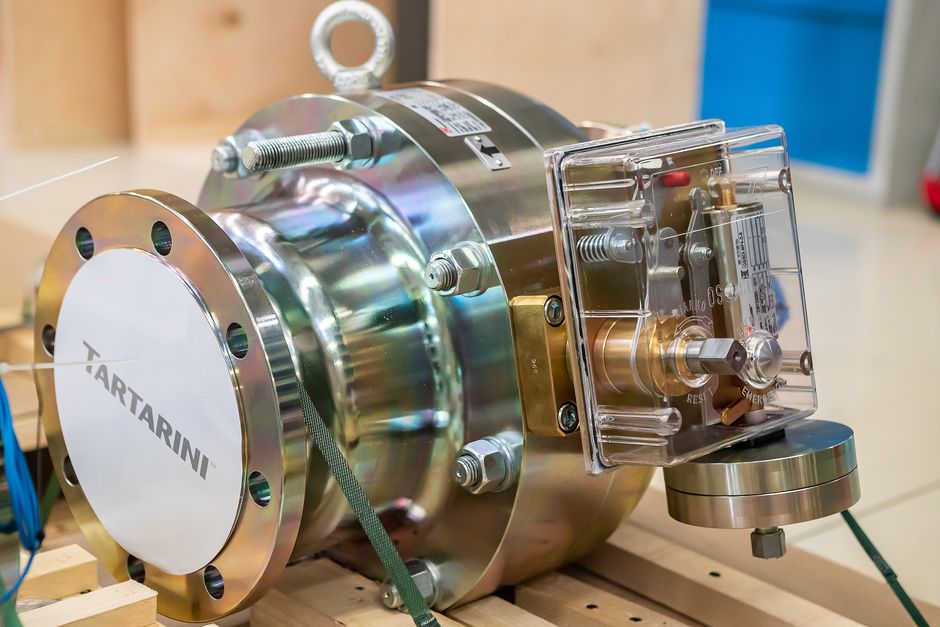
Surface finish quality on flange faces plays an equally important role in leak prevention. Roughness peaks and valleys on machined surfaces create leak paths unless the gasket material can deform sufficiently to fill these microscopic voids. High-pressure applications typically require flange face finishes between 125 and 250 microinches Ra, achieved through precision machining or grinding operations. Faces with spiral serrations from worn cutting tools or those damaged by improper handling create particularly troublesome sealing conditions. Regular inspection and refacing of flange surfaces should be incorporated into preventive maintenance schedules, especially for connections that undergo frequent disassembly.
Installation procedures that ensure optimal performance
Proper installation technique determines whether a theoretically sound gasket design will perform as intended. The most common cause of premature gasket failure stems from incorrect bolt tightening procedures that create uneven stress distribution. Sequential tightening in a star pattern ensures gradual, uniform compression across the entire gasket circumference. Initial tightening should bring all bolts to approximately thirty percent of target torque before progressing through several passes at incrementally higher values. Final torque specifications depend on gasket type, flange size, and bolt material, with calculations based on achieving the minimum gasket stress required for sealing without exceeding bolt yield strength.
Thermal cycling during startup significantly impacts seal longevity in high-pressure systems. When cold equipment rapidly reaches operating temperature, differential thermal expansion between the gasket, flanges, and bolting creates stress redistribution that can reduce sealing force below critical thresholds. Hot retorquing procedures address this phenomenon by checking and adjusting bolt tension after the system reaches operating temperature. This practice proves especially valuable for metal gaskets, which experience less stress relaxation than soft materials but still benefit from tension verification. Documentation of torque values and retorquing activities provides valuable trending data for predicting maintenance needs.
Specialized solutions for the most demanding applications
Certain industrial processes impose conditions that challenge even advanced gasket technologies. Cryogenic applications involving liquefied natural gas or liquid nitrogen subject seals to temperatures below minus 300°F where many materials become brittle and lose flexibility. Conversely, steam systems and catalytic reactors operate above 1000°F where oxidation and thermal degradation accelerate. These extreme temperature environments often coincide with elevated pressures, compounding the sealing challenge. Engineers addressing these applications frequently specify solid metal gaskets manufactured from materials specifically selected for their performance characteristics across the required temperature range.
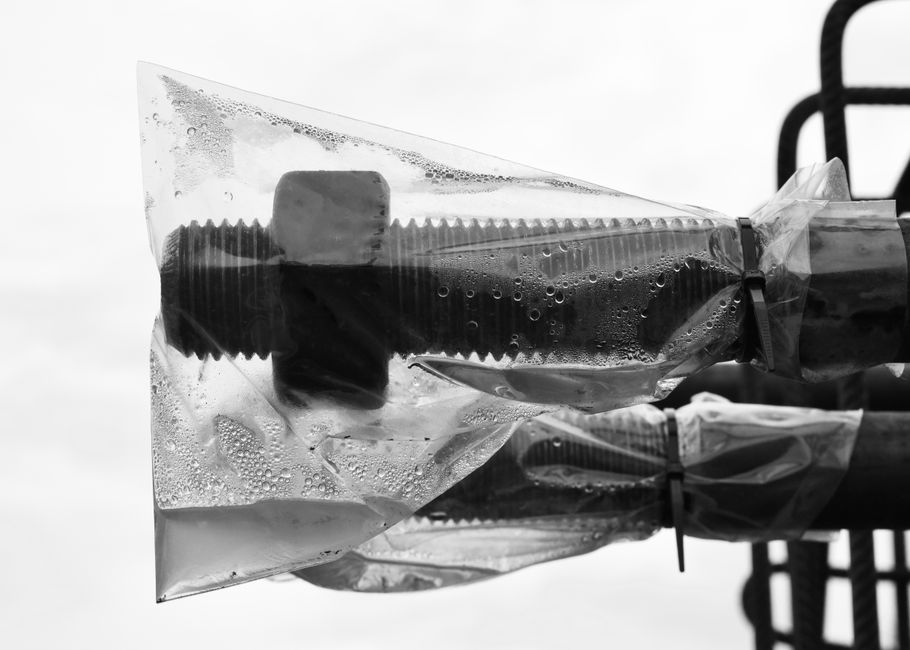
The precision manufacturing of modern metal gaskets enables reliable sealing under conditions previously considered impossible. Lens ring gaskets, designed with a specific ovalization ratio, concentrate sealing stress into a narrow contact band that achieves metal-to-metal sealing against machined groove surfaces. These designs routinely seal pressures exceeding 10,000 PSI in wellhead equipment and high-pressure processing applications. Similarly, spiral wound gaskets incorporating metal winding strips with soft filler material provide exceptional resilience and recovery properties. However, kammprofile gaskets often outperform spiral wound designs in applications involving thermal cycling because their solid metal core maintains more consistent bolt loading through temperature fluctuations.
Monitoring and maintenance strategies for leak prevention
How can operators detect seal degradation before catastrophic failure occurs? Implementing comprehensive monitoring programs identifies potential problems during their early stages when corrective action remains straightforward and inexpensive. Visual inspection of flange connections during routine rounds reveals telltale signs including staining, corrosion products, or crystallized process materials around gasket perimeters. Ultrasonic leak detection equipment identifies acoustic signatures of escaping fluids that may not yet be visible, enabling repairs before environmental releases occur. Some facilities employ infrared thermography to detect temperature anomalies indicating internal leakage pathways developing within gasket structures.
Predictive maintenance approaches extend seal life while reducing unexpected failures. Bolt tension monitoring through ultrasonic measurement or direct strain gauges provides objective data about the adequacy of clamping force maintaining gasket compression. As bolts experience stress relaxation or creep over time, these measurements indicate when retorquing becomes necessary before leakage develops. Recording this data across multiple duty cycles reveals patterns specific to particular service conditions, enabling refinement of maintenance intervals. The economic benefits of preventing leaks in high-pressure applications through proactive monitoring substantially outweigh the modest investment in detection equipment and training.
Successful leak prevention requires integrating proper design, quality materials, skilled installation, and vigilant maintenance into a comprehensive system. Understanding the interplay between these elements enables engineers and maintenance professionals to achieve reliable, long-term sealing performance even in the most challenging industrial environments.
